
7 THINGS YOU NEED TO KNOW FOR YOUR MUSCLE SORENESS
If you’ve been active at all —lifting weights, walking, running — you’ve very likely experienced some type of muscle or tendon soreness. The pain results from a condition that is medically referred to as delayed onset muscle soreness (DOMS).
What is Delayed Onset Muscle Soreness (DOMS)?
Delayed onset muscle soreness describes the muscular pain and stiffness that occurs following unfamiliar exercise or eccentric and prolonged physical exertion. Caused by muscle fibril tears, DOMS typically peaks around 24 to 48 hours after exercising and results in inflammatory reactions. Short-term loss of muscle strength, abnormal swelling, and reduced body mobility are eventual symptoms.
What’s the best way to avoid DOMS?
No matter if you’re an accomplished athlete or simply engaged on a recreational basis, everyone is at risk for muscle soreness. Luckily, many preventive measures are available! Here’s a quick list of 5 steps you should consider before, during, and after exercising.
PRE-WORKOUT
1. An hour before workout, drink two cups of coffee or tea. High in antioxidants and low in calories, caffeine consumption will improve athletic performance (peak of dopamine) and increase body tolerance at high intensity.
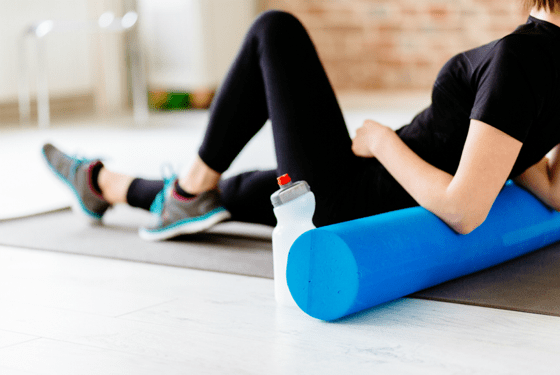
2. Use a foam roller. There’s a reason why many pro athletes have physiotherapists as primary care practitioner, monitoring pre-workout warm-up exercises. Foam rolling increase blood flow, improve muscles movements and decrease risk of injuries.
DURING-WORKOUT
- Warm up properly, and follow-up by dynamic stretching
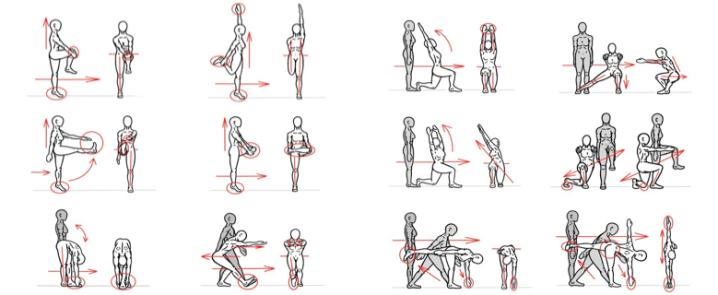
Example of dynamic stretches to consider
4. Hydrate, Hydrate, Hydrate. Staying hydrated is arguably the most important, no matter what your objectives are. A practical recommendation is to drink small amounts of water every 15 to 20 minutes of exercise, varying the volume depending on workout intensity and sweating degree. During prolonged exercises, also consider carbohydrate electrolyte beverages, such as Gatorade, Powerade and Body Armor to name a few, which will assist in proper muscle function and restore electrolyte balance (sodium; potassium).
POST-WORKOUT
5. After your workout, stretch immediately! Using a foam roller to relieve tensions in the muscle’s tissue can help reduce DOMS and improve performance in subsequent workouts.
6. Rest and relax as much as possible. Even consider a little massage to ease inflammation and improve blood flow!
7. Try a heating pad. You might find it useful for muscle pain after the first 12 hours after exercising. However, keep in mind that heat can make inflammation worse.
That’s it! If you have any other tips on how to deal with muscle soreness, please do not hesitate to share them. All comments and opinions are welcomed!
 PEAK
PEAK 